
After being trapped, one wolf died of thirst and other was shot and beaten to death
They were father and son, roaming Catron County as part of the Sawtooth pack. Within a month of each other, both collared Mexican gray wolves were trapped on private property near Datil.
The father was left to die of thirst before his body was placed beside a highway, according to authorities. The son was shot in the spine and beaten over the head, his body moved onto public lands where cattle graze.
A monthslong investigation into the deaths of the protected species led U.S. Fish and Wildlife Service agents to search two properties April 9, according to a search warrant return filed in U.S. District Court in Las Cruces. Agents seized a shovel, more than a dozen traps — two with “fur present” — and rifles similar to the caliber used to shoot one wolf.
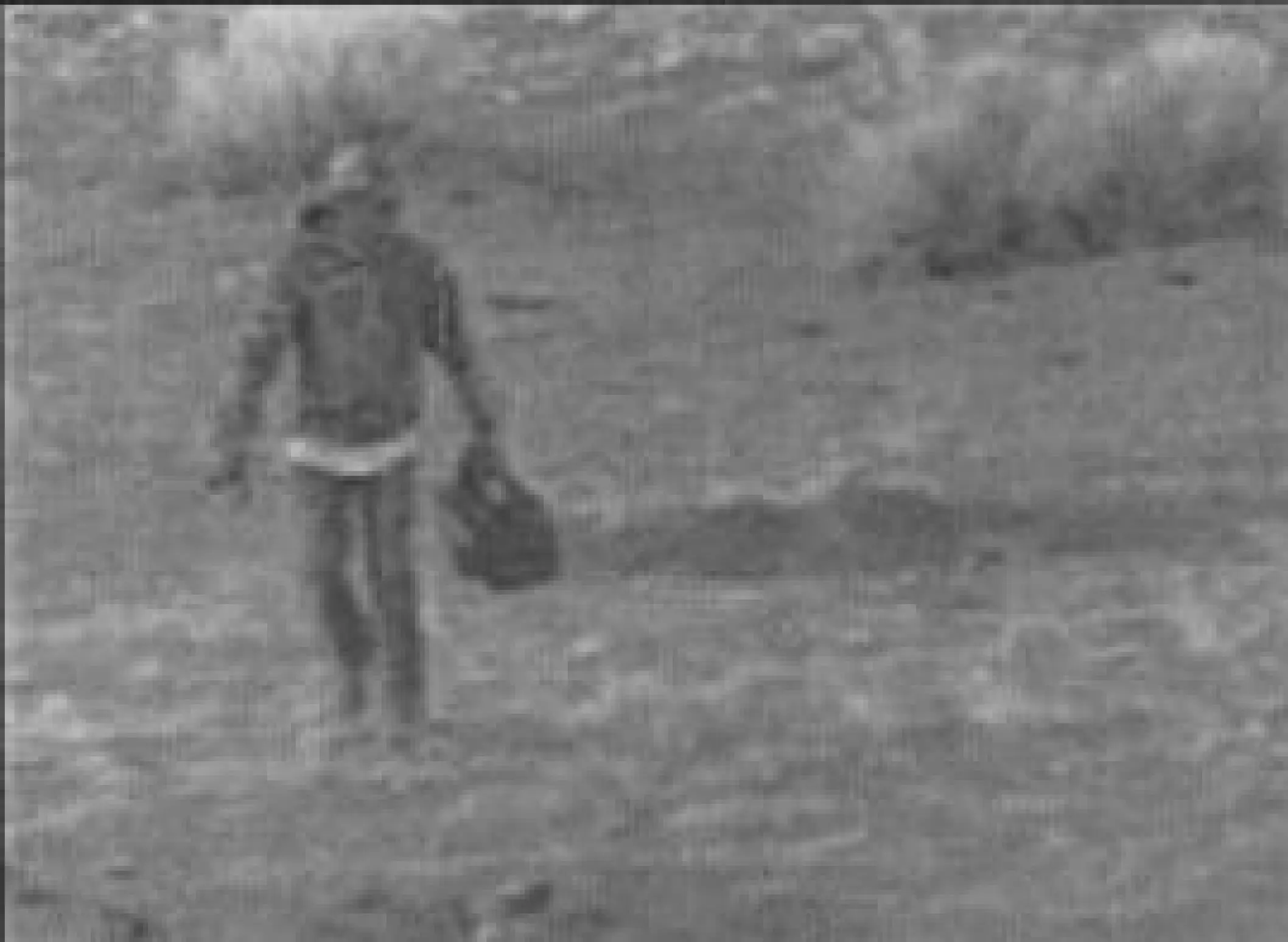
One property is owned by Wacey and Kaci Walraven and the other is owned by Russell and Melynda Walraven. The Walravens have not been charged with a crime, and authorities said the investigation is ongoing.
No suspects are identified in court records. The Walravens did not respond to multiple calls and messages for comment.
The search warrant detailing the case centered on a possible violation of the Endangered Species Act and the Lacey Act, which can lead to fines of up to $50,000 or imprisonment for up to one year, or both.
A spokesperson for the U.S. Fish and Wildlife Service said the agency “does not comment on active investigations.”
The wolves that were killed, Wolf 2704 and Wolf 2994, were among 20 that died in New Mexico in 2025. So far this year, 11 wolves have died in the state, including M1966, who fathered a litter with wandering canid Asha.
While a cause of death for many of the wolves killed in recent years has not been released, roughly half of the 314 wolf deaths recorded between 1998 and 2024 were attributed to poaching, while about 15% were caused by vehicle collisions. So far, seven wolves have survived being caught in a trap this year.